Tokyo:
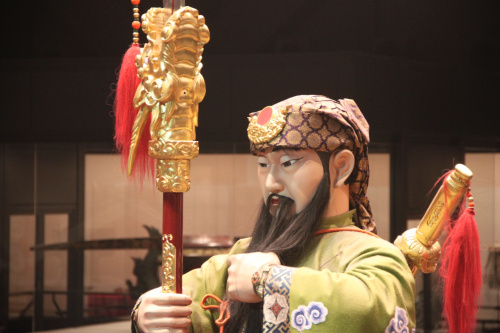
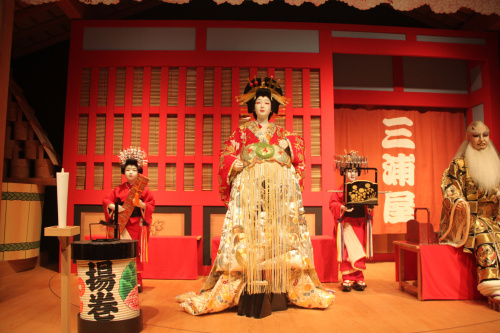
When we first arrived in Japan, we visited the Tokyo-Edo Musuem, where Kazuko served as our guide. We learned about Japan during the cultural highpoint of the Tokogawa period, when Edo (Tokyo) was the capital of Japan. During this period, there was a strict social structure, with samurai at the top, followed by peasants, merchats, and artisans. It was also a period filled with cultural achievements, one of which was Kabuki. The musuem has a prominent replica of a Kabuki theater in its gallery. Kabuki is the traditional performance art of Japan, that combines literature and mask making.
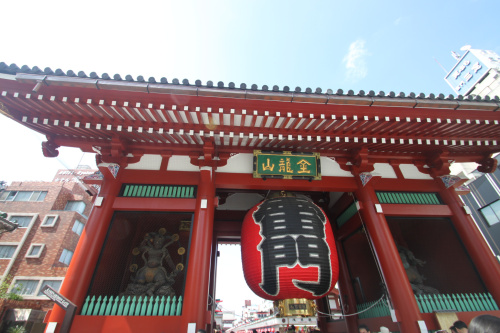
We also visited the Asukuso-Ji Temple; a crowded and bustling area in Tokyo. Founded in 1628, the temple was built for “Kannon”; the Buddhist Goddess of Mercy. After the fall of the Tokugawa, the temple lost goverment funding and is now funded by all the little stalls selling trinkets on the entrance into the temple.
After exploring the temple for a bit, Kazuko took us over to the Shinto shrine to partake in a purification ritual. Before visiting the shrine, she led us to a fountain where we learned the proper way to cleanse ourselves before entering the shrine.
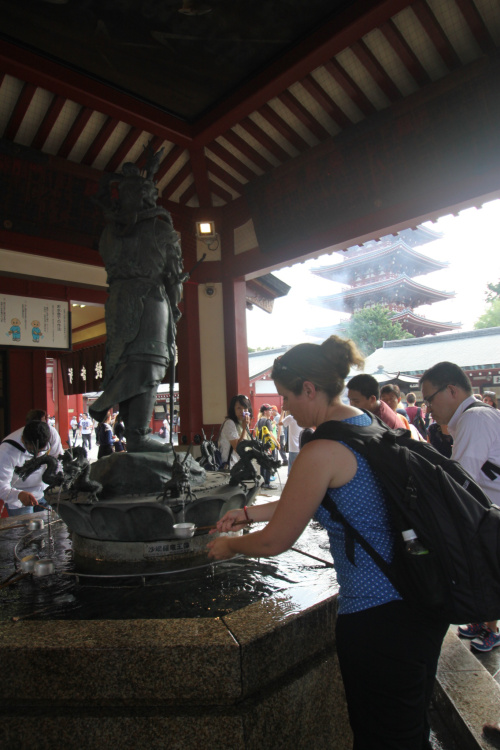
Purifying ritual
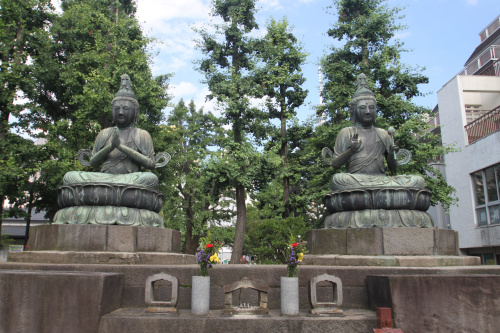
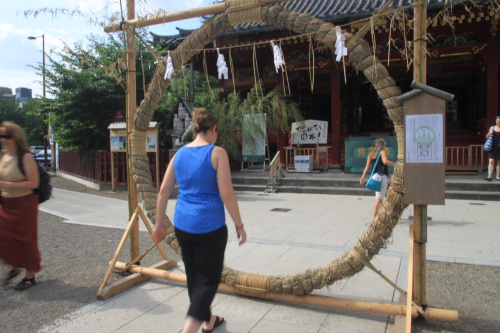
purifying ritual
War memory and commemoration are two of my primary interests as a teacher and an intellectual. Consequently, I found visiting the Yasukuni Shrine in Tokyo to be among the more fascinating sites of the entire trip.
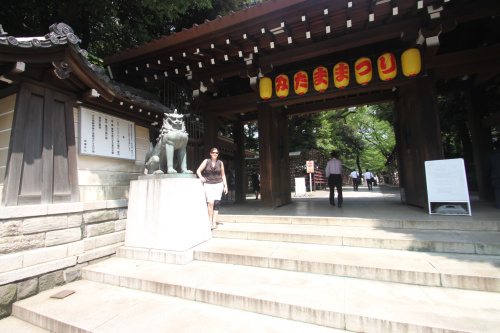
Yasuki Shrine
Founded in 1869 as a Shinto shrine, the purpose was to honor Japanese soldiers who had lost their lives toppling the Tokigawa government; a religious (Shinto) shrine to honor the war dead. Over the years, the shrine has become a place to honor all Japanese war dead, including those Koreans and Chinese who were forced to fight on the side of the Japanese during World War II. A controversy emerged after 1978, when a shinto priest secretly ensrhined all Japanese war dead, including those found guilty of Class A war crimes committed during World War II. As a result, many countries, such as Korea and China, now criticize Japanese prime ministers or government officials who visit the shrine, because Shintoism promotes the idea that to enshrine someone is to exonerate them from deeds they may have committed while in this world.
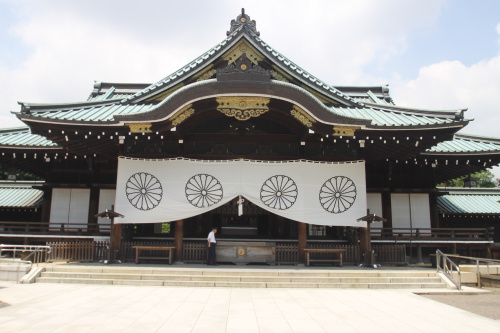
Yasukuni Shrine
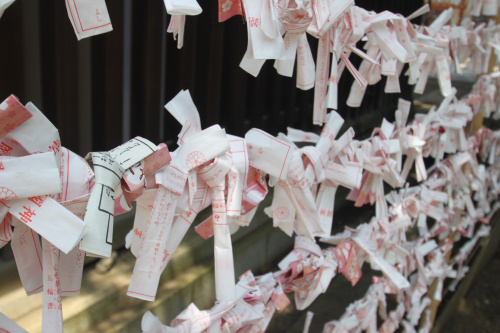
Fortunes at Yasukuni Shrine
Another unique component to visiting this shrine, is the fact that there is a war musuem, called Yushukan, located on the same grounds. This really blew my mind; how can you have a place that is religous and sacred right next to a war museum, that very blatantly celebrates Japanese imperialism and romanticizes militarism. Fortunately, from my experience talking with people througout the trip, the musuem does not represent the majority of Japanese, but rather, a small, conservative element within Japan.
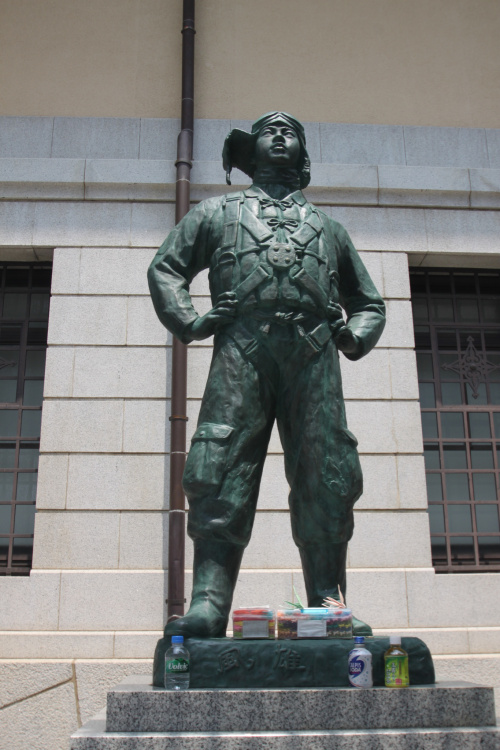
Statue Commemorating Kamikaze Pilots Outside War Museum
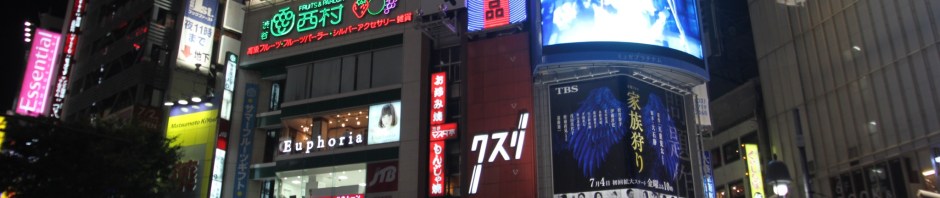
Shibuya is the Tokyo that most people think of when picturing this city; bright neon lights, tons of restaurants and stores, and a young, vibrant crowd roaming the streets. We were able to visit this area briefly, during our first few days in Tokyo.
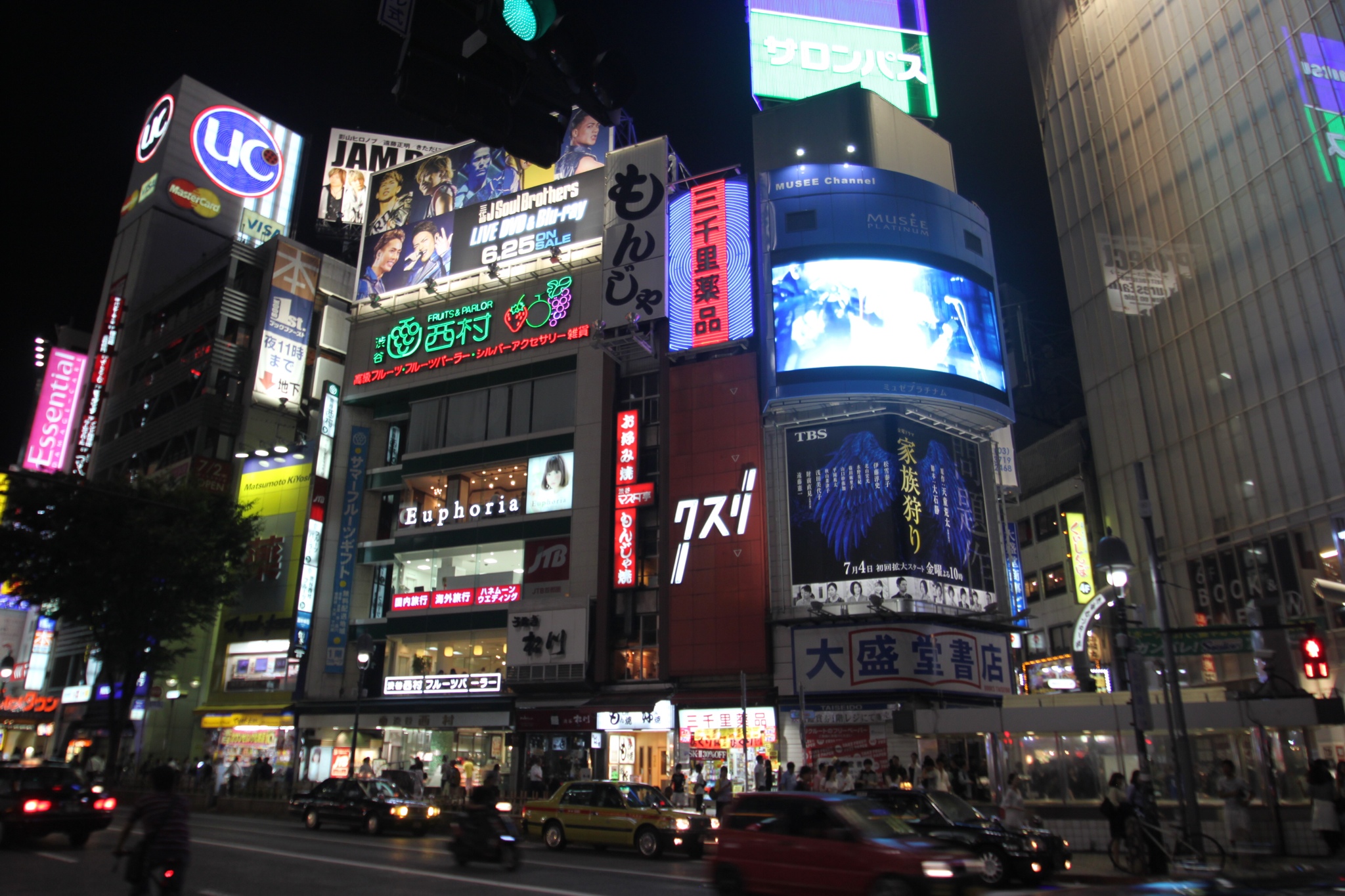
Shibuya
Slowly rising out of bed, all of us met in the lobby at 3:30am to head out to the famous Tsukiji Fish Market to watch the live auction of Tuna; an experience not to be missed when visiting Tokyo. After waiting in a non-descript room for almost two hours, (they only let in the first 120 people so you have to arrive early), we were directed into the market to watch the inspection and auctioning of the fish.
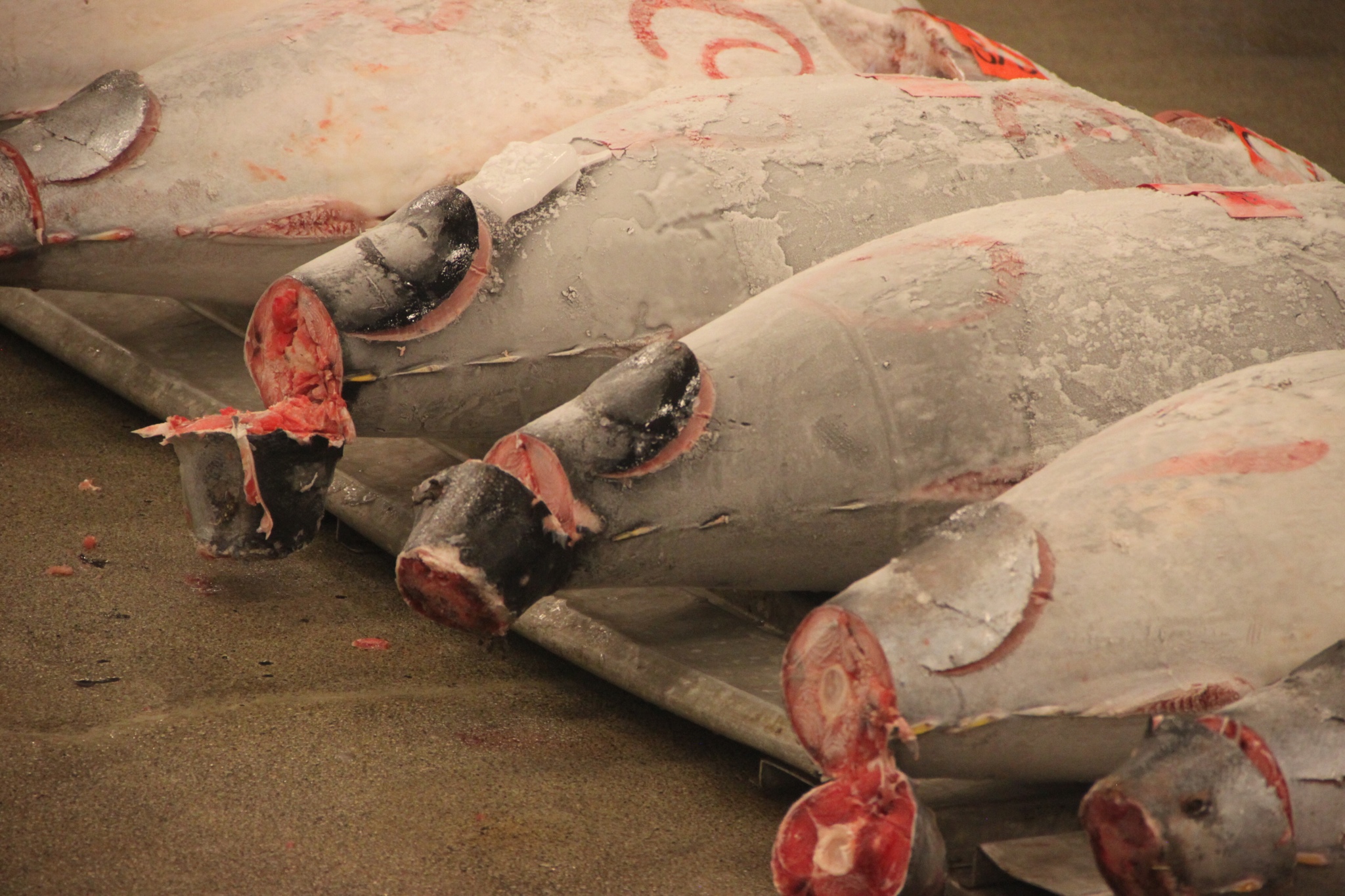
Tuna for Sale at the Tsukiji Fish Market
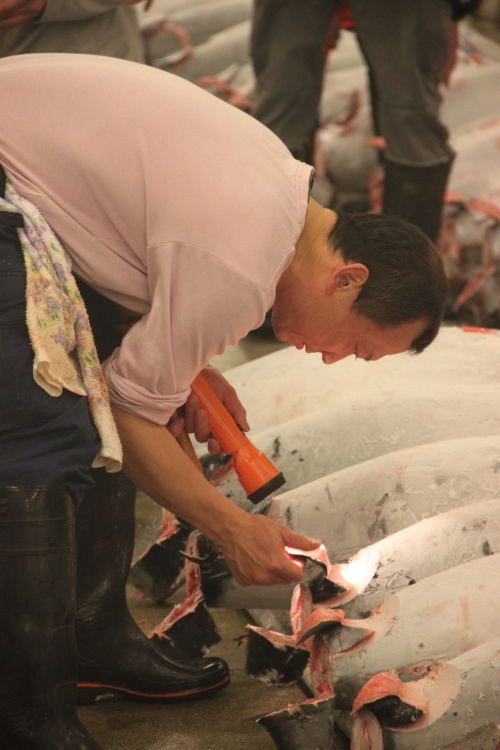
Inspection of the tuna
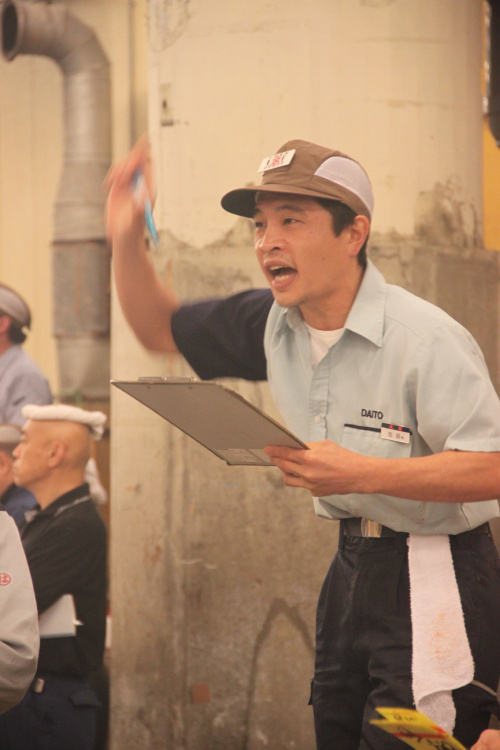
Auction of the tuna
After watching the auction, Kazuko and Jeff found us a small little restaurant serving fresh tuna (sushi) for breakfast.
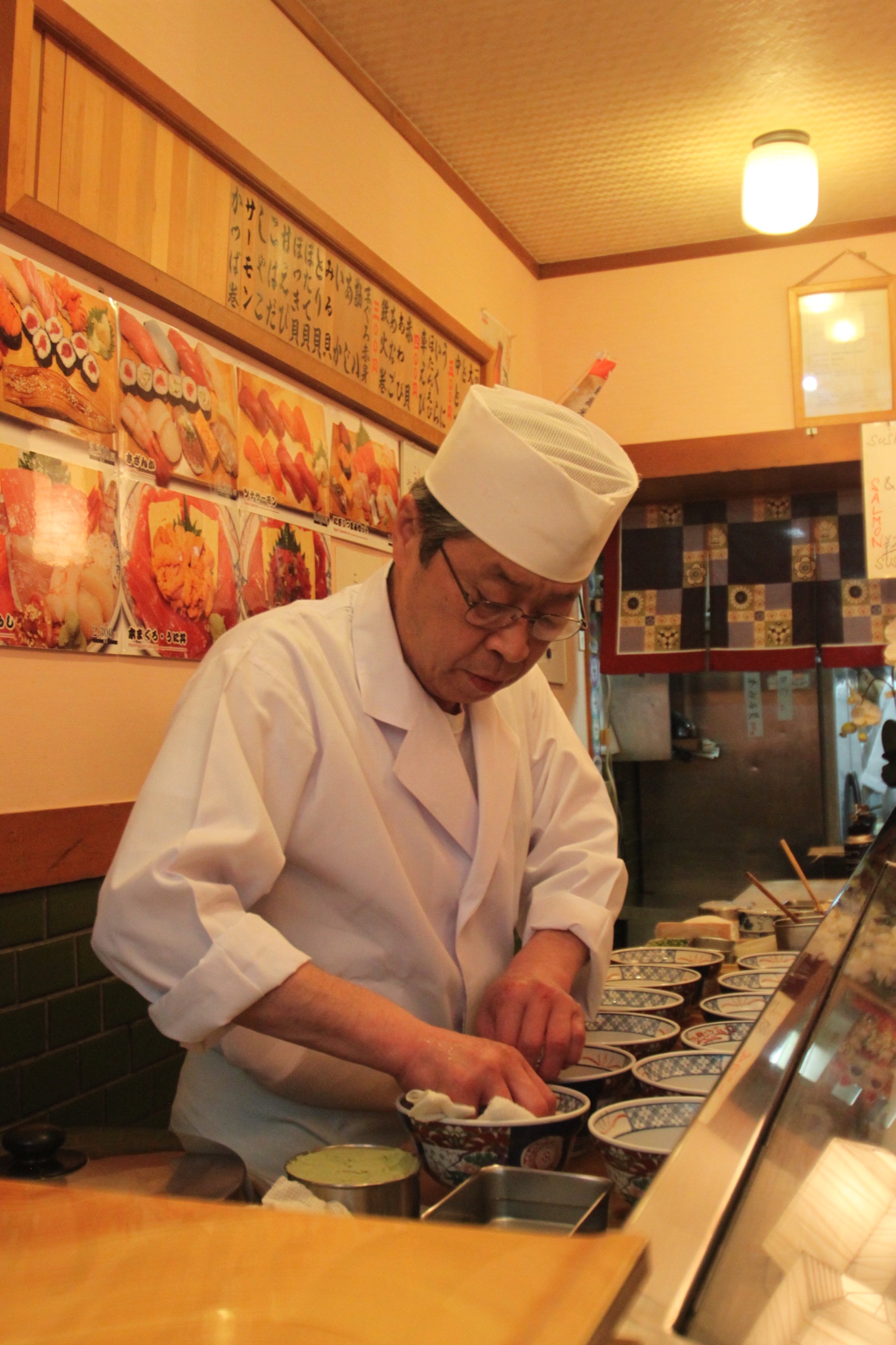
Our chef for breakfast
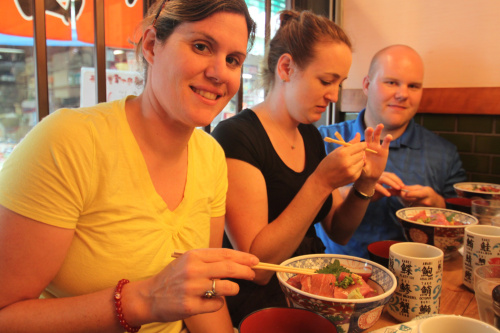
It’s better than cereal!
Around the block from the fish market is a little shrine dedicated to the local fishermen.
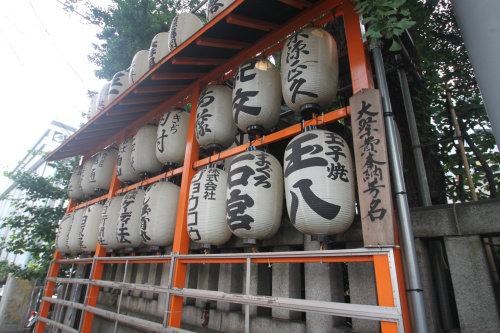
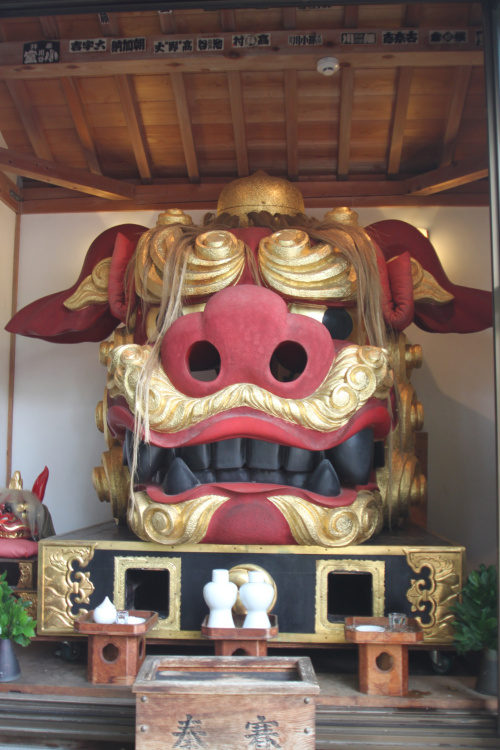
Towards the end of the trip, we found ourselves back in Tokyo, and took a trip to Tokyo Dome to experience first hand, the cultural phenomenon that is Japanese baseball.
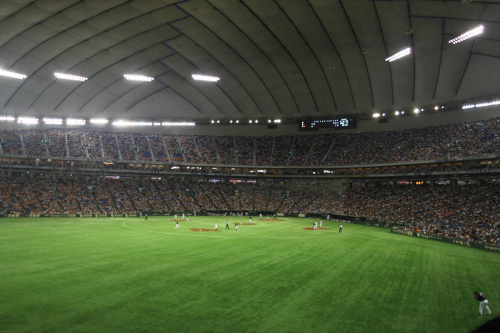
Tokyo Dome
Our last night in Tokyo, four of us had the good fortune of being granted Kabuki tickets, and headed out to the theater around 3pm. The lower level of the theater is filled with all sorts of souvenir and gift stores, along with little food vendors selling baked goods, bento boxes, and dumplings. In Japan, it is customary to bring in your own food into the theater for the show.
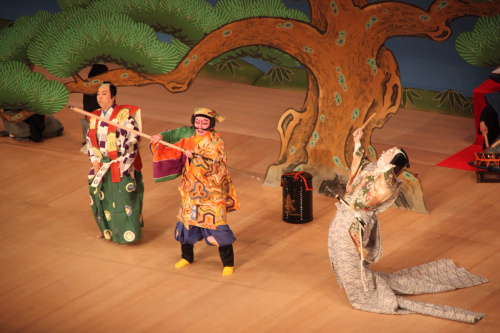
Kabuki

